
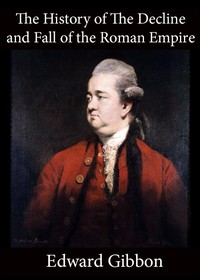
History of the Decline and Fall of the Roman Empire — Volume 1 by Edward Gibbon
Let's be clear: this is not a beach read. Edward Gibbon's Decline and Fall of the Roman Empire is a monumental work of history, and Volume 1 is where he sets the stage for the epic drama to come. Published in 1776 (yes, that 1776), it’s written with a wit, elegance, and confidence that few history books have matched since.
The Story
Gibbon doesn't start with the fall. He starts at the height. He paints a vivid picture of the Roman Empire in the 2nd century AD under the 'Five Good Emperors.' It was a world of stunning engineering, widespread laws, and relative peace from Britain to Syria. Then, he traces the century that followed—a chaotic rollercoaster of emperors rising and falling, often at the point of a soldier's sword. He covers the mad extravagance of Commodus, the civil wars of the 3rd century, and the drastic reforms of Diocletian and Constantine. The 'plot' is the empire itself, slowly transforming from a republic-in-name to a military dictatorship, while a new spiritual power, Christianity, grows within its borders.
Why You Should Read It
You read Gibbon for the voice as much as the history. He’s your incredibly well-informed, slightly cynical, and endlessly fascinating guide. His famous (and infamous) argument is that Christianity, by shifting focus from the public good to personal salvation, played a major role in sapping the Roman civic spirit. Whether you agree or not, it forces you to think about what holds a society together. It’s also just full of incredible stories—palace intrigues, philosophical debates, and military campaigns are all delivered with his trademark dry humor. You feel like you're seeing the patterns of history through the eyes of a brilliant 18th-century mind.
Final Verdict
This book is perfect for anyone with patience and curiosity about the roots of Western civilization. It’s a must for history lovers, but I'd also recommend it to fans of complex, idea-driven nonfiction. If you like writers like Jared Diamond or Yuval Noah Harari who ask big questions about societies, you’ll find Gibbon is the original. Be warned: the prose is formal and the sentences are long. Take it slow, maybe a chapter at a time. Think of it as a long, rewarding conversation with one of history's greatest storytellers. You won't look at politics, religion, or power the same way again.
This publication is available for unrestricted use. Access is open to everyone around the world.
Thomas Flores
7 months agoI came across this while browsing and it creates a vivid world that you simply do not want to leave. One of the best books I've read this year.


Steven Sanchez
2 months agoI didn't expect much, but the atmosphere created is totally immersive. Absolutely essential reading.