
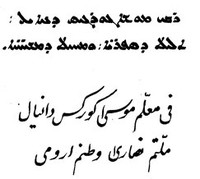
Modern Persia by Mooshie G. Daniel
Let's set the scene. It's the early 20th century, and Persia (modern-day Iran) is at a breaking point. The Qajar dynasty is struggling, the treasury is empty, and the people are fed up. From the outside, Britain and Russia are applying immense pressure, each wanting control for their own empires. Into this pressure cooker walks our guide, John P. Mitchell, a fictional but believable American diplomat.
The Story
The book follows Mitchell's years in Tehran. It starts with the grand spectacle of the royal court—the opulence, the complex rituals, the intricate hierarchy. But Daniel quickly pulls back the curtain. We see the fear and decay underneath the gold leaf. Mitchell befriends a diverse cast: progressive intellectuals dreaming of a constitution, traditional clergy deeply suspicious of the West, and cunning courtiers playing all sides. The plot thickens as the Constitutional Revolution of 1906-1911 erupts. Mitchell isn't a superhero; he's a witness and sometimes an unwilling participant. He gets caught between helping his friends in the revolutionary movement and following his government's orders to stay neutral. The narrative races through street protests, secret meetings, and moments of shocking violence, all leading to the painful question: can a new, democratic Persia survive when its enemies are so powerful?
Why You Should Read It
Here's what grabbed me: the sheer intimacy of it. Daniel wrote this not long after these events happened. It doesn't feel like distant history; it feels like urgent, firsthand reporting. You get the smell of the bazaars, the tension in a crowded room, the desperation in people's voices. Mitchell is a great lens because he's learning alongside you. The real strength is in the characters. They're not just historical figures with titles; they're people with conflicting loyalties, personal ambitions, and genuine fear. You understand why the revolutionary is willing to die for an idea, and you also see why the old-guard courtier is clinging to the only world he knows. It makes the tragedy of what follows deeply personal.
Final Verdict
This book is perfect for anyone who thinks history is boring. It's a tense, character-driven ride through a revolution most of us know little about. It's for readers who enjoyed Pillars of the Earth but want real political intrigue, or for fans of The Kite Runner who want to understand the historical roots of a region. It's also a goldmine for anyone interested in diplomacy, espionage, or how nations are born (and sometimes torn apart). Fair warning: it was written in 1914, so the language and some perspectives are of its time. But that's also its power—it's a snapshot from the edge of the modern world. A fascinating, gripping, and surprisingly relevant read.
No rights are reserved for this publication. Thank you for supporting open literature.
Robert King
1 year agoI didn't expect much, but it manages to explain difficult concepts in plain English. Don't hesitate to start reading.
Matthew Clark
1 year agoPerfect.
Susan Rodriguez
1 year agoVery helpful, thanks.
Deborah Miller
1 year agoGreat read!